When researching non-surgical skin tightening, the two names you come across most often are XERF and HIFU. Both are needle-free, both stimulate collagen and both can reach the SMAS, the deep supporting layer of the face. So what is the difference between them, and who is each considered for? In this article we put the two methods side by side under the same headings.
In short: the key difference is the type of energy
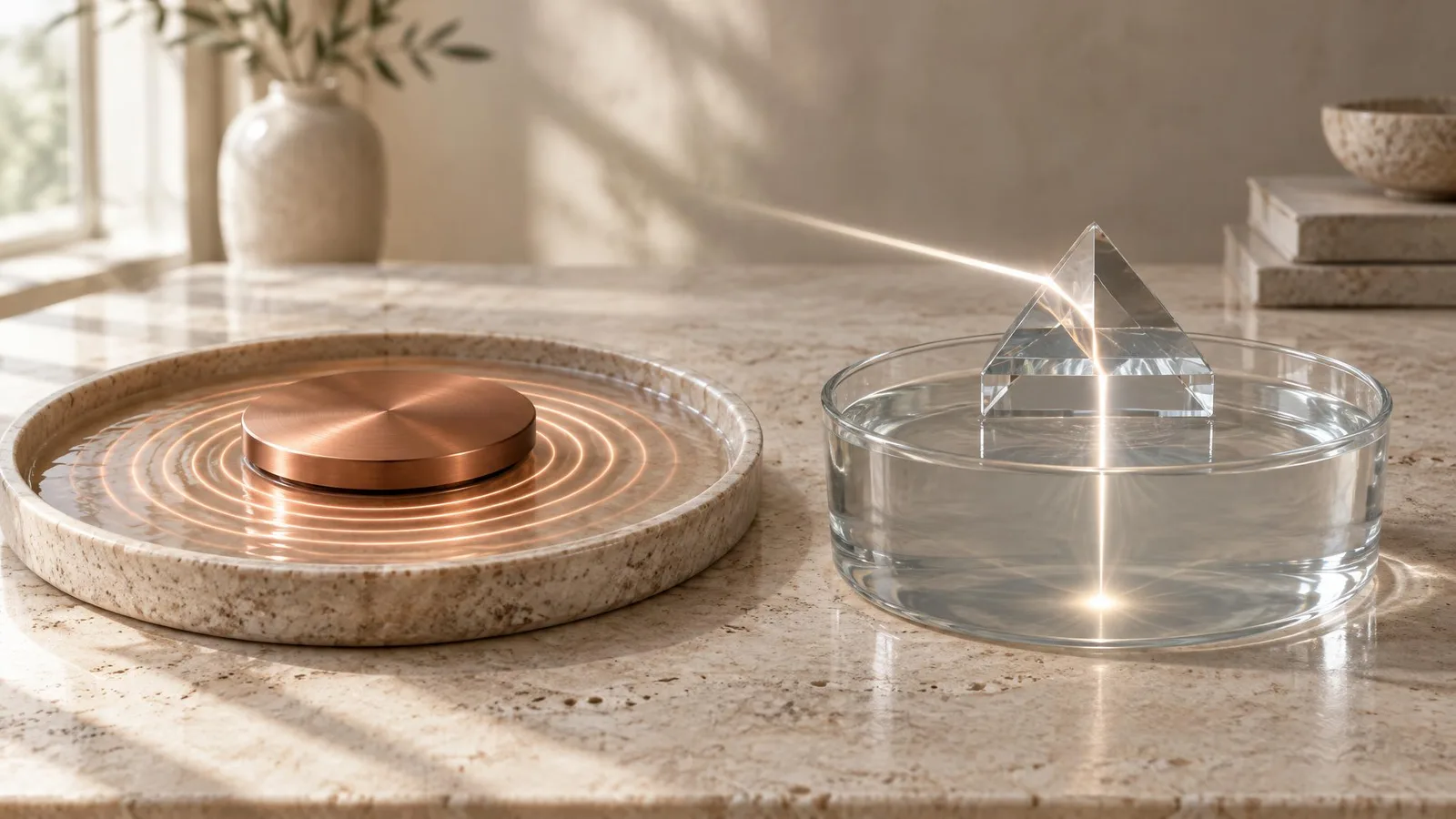
XERF uses radiofrequency (RF) energy. Radiofrequency generates heat in tissue depending on its resistance. XERF delivers this energy with two frequencies in a single shot: 6.78 MHz works in the superficial and middle layer of the skin (dermis), while 2 MHz works in the subcutaneous fat, connective tissues and the SMAS / fascia. In other words, the surface and the depth are targeted in the same session.
HIFU (high-intensity focused ultrasound), on the other hand, uses sound waves. It focuses the sound at a specific depth point; the skin surface is not affected, and the energy is concentrated only in the targeted layer. By using tips set to different depths in turn, it can reach from 1.5 mm down to the SMAS.
Information
What the two methods have in common: stimulating collagen renewal with controlled heat. The difference: how and in which layers the heat is generated.
XERF and HIFU side by side
| XERF | HIFU (focused ultrasound) | |
|---|---|---|
| Energy | Dual-frequency monopolar radiofrequency (6.78 + 2 MHz) | High-intensity focused ultrasound |
| Target layer | Dermis + subcutaneous fat + SMAS / fascia, in the same shot | Selected depth point (from 1.5 mm down to the SMAS) |
| Skin surface | Protected by an integrated cooling system | Not affected; the energy is released at the target depth |
| Sensation | No numbing cream needed; many patients compare it to a hot stone massage | A feeling of heat and slight pressure; a local anaesthesia option can be used for comfort |
| Duration | Full face usually 45 minutes or less | Planned according to the area and depths |
| Personalisation | 3 depth modes, 10 intensity levels | Tips for different depths |
| Afterwards | There is usually no recovery period | Most patients return to their social life the same day |
| Time to results | Becomes noticeable in months 2–3, reaches its highest level in months 3–6 | First change within 15 days in some patients; gradual tightening over 3–6 months |
| Duration of effect | Usually 6–12 months; can be extended with 1–2 maintenance sessions a year | Usually 12–18 months; a yearly repeat can be planned |
The durations in the table are for general information; they vary from person to person.
Is XERF a laser?
No. Although XERF is sometimes referred to as "XERF laser", it does not work with laser light; it is a monopolar radiofrequency system. HIFU is not a laser either; it uses ultrasound. Lasers, by contrast, work with light energy and mostly act starting from the skin surface; they are used for different goals such as spots, uneven skin tone and surface texture. For this reason, XERF is not a substitute for laser treatments; when needed, they are planned together.
Who is each considered for?
There is no single right answer; the decision is made according to the condition of the skin. At the consultation, the following questions are usually considered:
- Is the problem on the surface, deep down, or both? Fine lines, pores and skin quality point to the surface; loosening of the jawline and lower face points to the deep supporting tissues. XERF can be set to target both layers in the same session.
- Is the skin thin, are the cheeks hollow? With XERF, to preserve volume, the share of the deep mode can be reduced and the emphasis placed on the superficial and middle modes.
- What are your comfort expectations? XERF is done without numbing cream; with HIFU, a local anaesthesia option can be used for comfort.
- Which area? XERF is often used on the double chin, the jawline and the eye area (with the small tip). With suitable tips, HIFU can be applied not only to the facial contour and neck but also to body areas such as the décolletage and abdomen.
- How advanced is the sagging? Both methods are for mild and moderate laxity; in advanced sagging they do not replace surgery.
Can XERF and HIFU be used together?
Yes. The two methods do not exclude each other. Because they create different effects in different layers, they can complement each other when planned at suitable intervals. The order and interval in which they are applied are determined by the doctor. XERF can also be combined with skin boosters, microneedle RF, Botox and fillers.
Who are they not suitable for?
XERF
- People with a pacemaker, defibrillator or an active electronic / medical implant
- Pregnant women
- People with an active cold sore, infection or open wound in the treatment area (postponed until healed)
- People with a serious uncontrolled systemic disease (a doctor's assessment is needed first)
HIFU
- Active infection or open wound in the treatment area
- Pregnancy
- A metal implant in the treatment area
- Certain coagulation disorders
XERF and HIFU in Eskişehir
At our clinic, XERF and focused ultrasound treatments are planned after a consultation, according to how thin your skin is, the amount of fat tissue and the degree of sagging. For details, you can visit our XERF and HIFU pages.
This article is for general information purposes only and does not replace diagnosis or treatment. Whether any treatment is suitable for you can only be assessed after a medical examination by a doctor. Results and durations vary from person to person.